

Communicable Disease
Featured: Cyclosporiasis
Cyclosporiasis is an intestinal infection caused by the microscopic parasite Cyclospora cayetanensis. You contract it by consuming contaminated food or water. It triggers explosive watery diarrhea, cramping, and fatigue.
The CDC reports that as of July 13, 2026, 1,645 cases were reported in people who acquired cyclosporiasis in the United States. Cases were reported by 34 states and resulted in 141 hospitalizations. These people became sick after eating food in the United States and did not report any travel during the 14 days before they got sick.
Local, state, and federal (CDC, FDA) public health authorities are investigating several clusters of cases in more than one state. There is currently no evidence of a single, multistate Cyclospora outbreak linking all cases. Rather, this is a surveillance count of cases across the United States. This number includes clusters of cases currently under traceback investigation by FDA and cases that have not been linked to a common source. Investigations to identify potential sources are ongoing.
Read the chapter on cyclosporiasis in the Control of Communicable Diseases Manual.
Prevention
There are many ways to prevent the spread of disease. Vaccinations have helped eliminate or greatly reduced disease threats. Proper handwashing, especially before and after handling food and using the toilet, helps keep germs at bay.
Other important ways to slow or stop disease transmission are by ensuring the food we eat and water we drink is safe, avoiding people who are sick and practicing safe sex.
About Communicable Diseases
Some diseases spread from one person to another while others can spread from animal to person. Some are spread through the air, by touch or through bodily fluids. Some diseases may produce mild symptoms; others can be lethal. As APHA member Jonathan Fielding, professor of public health and pediatrics at UCLA, writes in this op-ed, "Without the necessary funds, fighting Zika, Ebola and other infectious disease is a losing battle."
Additional Resources
Communicable Disease Examples
More than 200 infectious diseases are listed in APHA’s Control of Communicable Diseases Manual.


COVID-19
COVID-19 is a disease caused by the SARS-CoV-2 virus that led to a global pandemic from 2020-2023.
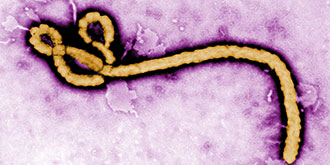
Ebola Outbreak 2026
The World Health Organization declared a new Ebola outbreak in the Democratic Republic of Congo and Uganda, caused by Bundibugyo virus, to be a public health emergency of international concern.

Mpox
Mpox is a disease that causes a rash that may be located near a person's genitals or on other areas such as the hands, chest or face.

2026 Hantavirus Outbreak
The cruise ship MV Hondius was the site of a severe outbreak of hantavirus in May 2026. At least three people have died and others are confirmed to have the virus. Learn more about the disease here.
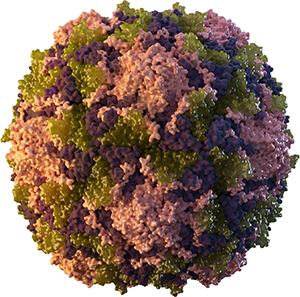
Polio
There is no cure for polio, but it is preventable through safe and effective vaccination.
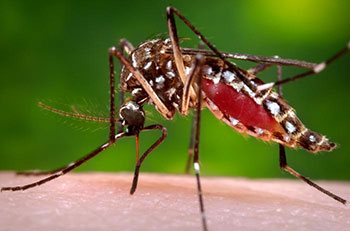
Zika
Zika virus is spread through mosquito bites and generally causes mild or no symptoms but is linked to some serious health concerns.